
Behind the Scenes: Malik's Creative Process Revealed

Creativity is often seen as a mysterious force, something that strikes like lightning and leaves artists and creators scrambling to capture its essence. But what if we told you that creativity can be cultivated and understood? In this post, we will take you behind the scenes of Malik's creative process, revealing the steps he takes to transform ideas into tangible works of art.
The Spark of Inspiration
Every creative journey begins with a spark. For Malik, inspiration can come from anywhere—a fleeting moment in nature, a conversation with a friend, or even a piece of music. He believes that staying open to the world around him is crucial. Here are some ways Malik finds inspiration:
Nature Walks: Spending time outdoors helps Malik clear his mind and observe the beauty around him. He often takes long walks in the park, allowing the sights and sounds to ignite his imagination.
Art Exhibitions: Visiting galleries and exhibitions exposes Malik to different styles and techniques, which can influence his own work.
Reading: Whether it’s fiction, poetry, or non-fiction, reading expands Malik's horizons and introduces him to new ideas.
The Ideation Phase
Once inspiration strikes, Malik enters the ideation phase. This is where he brainstorms and develops his initial concepts. He uses various techniques to flesh out his ideas:
Mind Mapping: Malik creates visual diagrams that connect different thoughts and concepts. This helps him see relationships between ideas and explore new directions.
Journaling: Writing down thoughts and sketches allows Malik to capture fleeting ideas before they slip away. His journal is filled with doodles, quotes, and snippets of conversations that resonate with him.
Collaborative Discussions: Engaging with fellow artists and friends provides Malik with fresh perspectives. He often holds brainstorming sessions where ideas can flow freely.
The Planning Stage
With a solid idea in place, Malik moves on to planning. This stage involves outlining the steps needed to bring his vision to life. Here’s how he organizes his projects:
Setting Goals: Malik sets clear, achievable goals for each project. This helps him stay focused and motivated throughout the creative process.
Creating Timelines: He develops a timeline that breaks down the project into manageable tasks. This ensures that he stays on track and meets deadlines.
Resource Gathering: Malik identifies the materials and tools he will need. Whether it’s paint, canvas, or digital software, having everything ready is essential for a smooth workflow.
The Creation Process
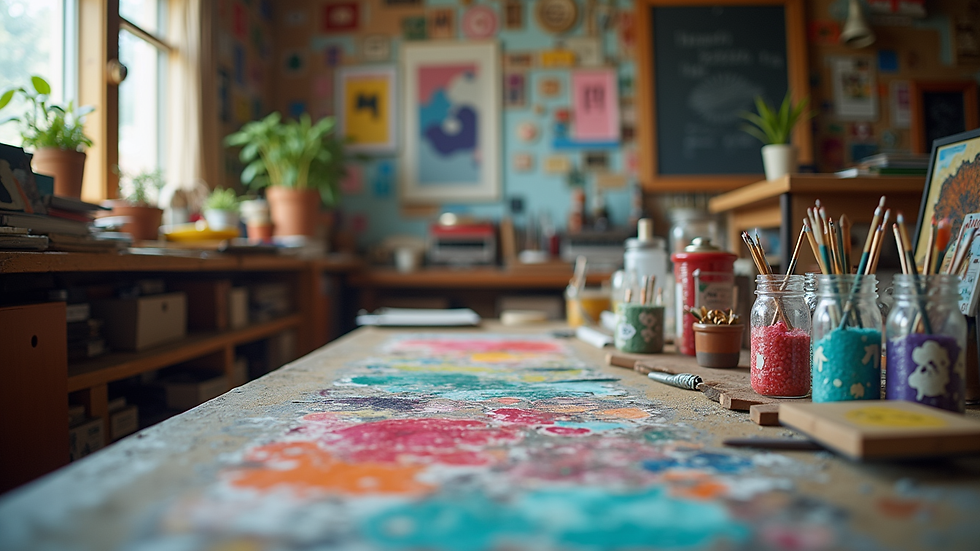
Now comes the exciting part—bringing the idea to life. Malik’s creation process is dynamic and often involves experimentation. Here’s how he approaches it:
Sketching: Malik starts with rough sketches to visualize his ideas. This allows him to play with composition and color before committing to the final piece.
Layering Techniques: Whether he’s painting or working digitally, Malik employs layering techniques to build depth and texture. He believes that each layer adds complexity to the artwork.
Embracing Mistakes: Malik views mistakes as opportunities for growth. If something doesn’t go as planned, he adapts and often incorporates those changes into the final piece.
The Reflection Phase
After completing a piece, Malik takes time to reflect. This is a crucial step that helps him evaluate his work and learn from the experience. Here’s what he does:
Self-Critique: Malik assesses his artwork, identifying strengths and areas for improvement. This honest evaluation is key to his growth as an artist.
Feedback from Peers: Sharing his work with trusted friends and fellow artists provides Malik with valuable insights. Constructive criticism helps him see his work from different angles.
Documenting the Journey: Malik keeps a record of his creative process, noting what worked and what didn’t. This documentation serves as a reference for future projects.
The Importance of Routine
For Malik, establishing a routine is vital for maintaining creativity. He believes that consistency fosters inspiration. Here’s how he structures his day:
Dedicated Creative Time: Malik sets aside specific hours each day for creative work. This uninterrupted time allows him to dive deep into his projects.
Incorporating Breaks: He understands the importance of taking breaks to recharge. Short walks or moments of mindfulness help him return to his work with renewed energy.
Balancing Work and Life: Malik ensures that he balances his creative pursuits with personal time. Engaging in hobbies outside of art keeps his mind fresh and inspired.
Overcoming Creative Blocks
Every artist faces creative blocks at some point. Malik has developed strategies to overcome these hurdles:
Changing Environments: Sometimes, a change of scenery can spark new ideas. Malik often works in different locations, whether it’s a café, park, or art studio.
Engaging in Different Mediums: Exploring new artistic mediums can reignite creativity. Malik experiments with photography, sculpture, and digital art to keep things fresh.
Mindfulness Practices: Practicing mindfulness through meditation or yoga helps Malik clear his mind and reduce stress, allowing creativity to flow more freely.
The Final Touches
As Malik wraps up a project, he pays attention to the final details. This stage is crucial for ensuring that the artwork resonates with viewers. Here’s how he approaches it:
Refining Details: Malik meticulously reviews each element of his work, making adjustments to enhance the overall composition.
Presentation: He considers how the artwork will be displayed. Whether it’s framing, mounting, or digital presentation, the way art is presented can significantly impact its reception.
Sharing with the World: Once satisfied, Malik shares his work through various platforms, inviting feedback and engagement from his audience.
Conclusion
Malik's creative process is a blend of inspiration, planning, execution, and reflection. By understanding and embracing each stage, he transforms ideas into compelling works of art. For aspiring artists, the key takeaway is to stay open to inspiration, establish a routine, and never shy away from experimentation. Creativity is not just a gift; it’s a skill that can be nurtured and developed over time.
So, whether you are an artist or simply someone looking to tap into your creative side, remember that the journey is just as important as the destination. Embrace your unique process, and let your creativity shine.


Comments